
Gems in Molar Tooth: Understanding Dental Inlays and Beautiful Restorative Options
Placing gems on molar teeth has become an increasingly popular way for people to add sparkle to their smiles while maintaining a more subtle look than front tooth gems. Unlike the more visible canines or incisors, molars offer a discreet location that allows individuals to experiment with dental jewelry without drawing immediate attention.
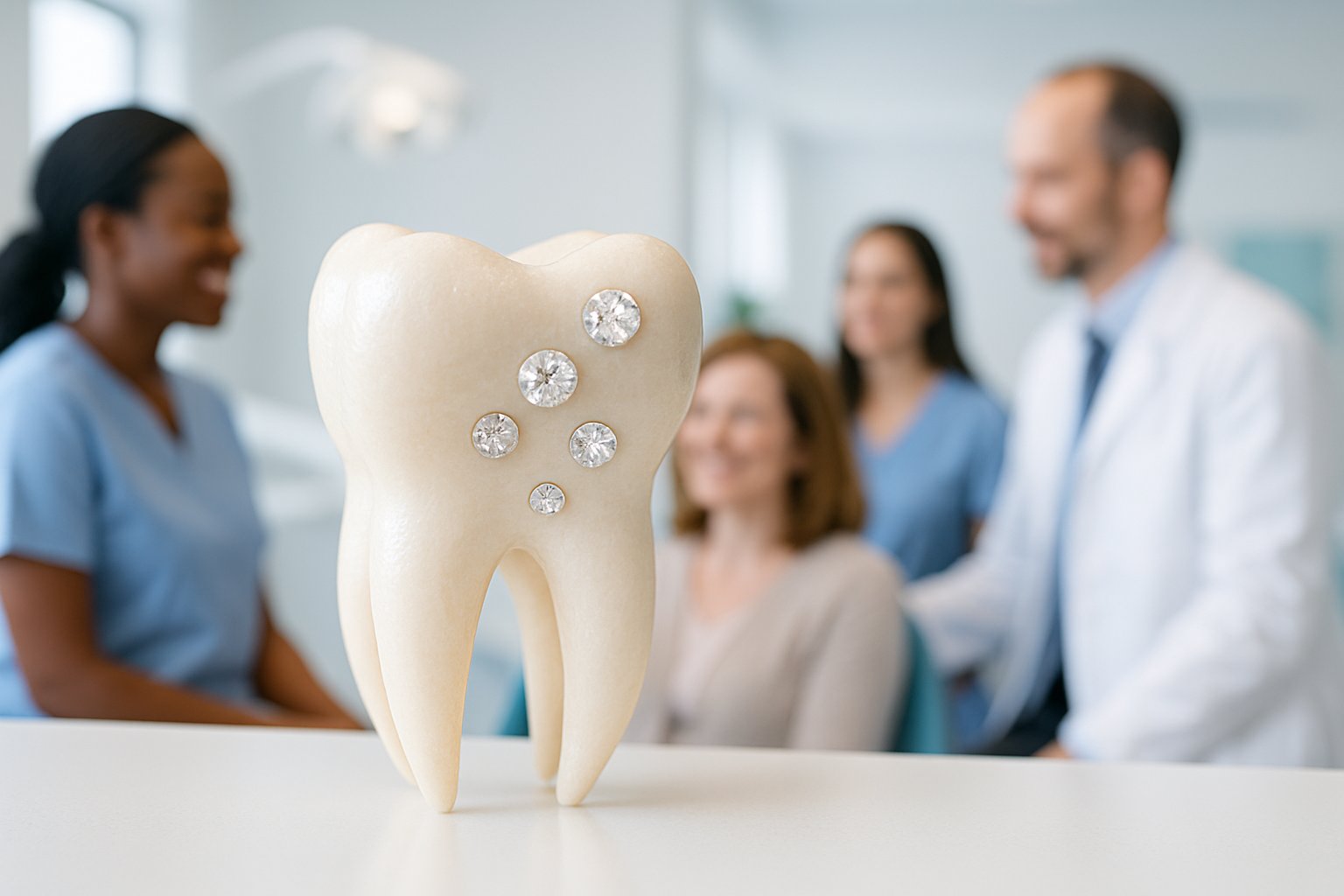
Molar tooth gems can be safely applied when done by a licensed dental professional, but they require extra attention to oral hygiene due to the location’s tendency to trap food and bacteria. The back teeth present unique challenges for both application and maintenance since they’re harder to reach and clean properly. Many people choose molars specifically because they want the personal satisfaction of having a gem without the bold statement that front teeth create.
The decision to place gems on molars involves understanding the risks and proper care required to maintain oral health in these harder-to-reach areas. While the procedure itself is similar to front tooth application, the ongoing care demands more diligent brushing and flossing techniques to prevent complications around the gem site.
Key Takeaways
- Molar tooth gems offer a discreet way to wear dental jewelry while requiring professional application for safety
- Extra oral hygiene attention is essential since molars naturally collect more food particles and bacteria
- The placement location makes cleaning more challenging but provides a subtle sparkle that remains largely private
What Are Gems in Molar Teeth?
Tooth gems are small decorative crystals or jewels bonded to teeth surfaces using dental adhesive. These dental accessories have evolved from simple plastic rhinestones to sophisticated jewelry options made from various materials.
Definition and Origins of Tooth Gems
Tooth gems first appeared in the 1990s when dentists began using them to decorate teeth. These small ornaments attach to tooth surfaces without requiring drilling or causing permanent damage to the tooth structure.
The procedure involves using a special etchant to gently roughen the tooth surface. A bonding agent is then applied to help the gem adhere properly to the tooth.
Tooth gems are typically about the size of a grain of rice. They can be placed on any tooth, though molars require careful consideration due to their location and function in chewing.
The popularity of dental jewelry has grown significantly among celebrities and social media influencers. This trend has made tooth gems more mainstream and accessible to general patients.
Types of Tooth Gems and Materials
Crystal Options:
- Swarovski crystals
- Cubic zirconia stones
- Glass rhinestones
- Natural diamonds
Metal Choices:
- Gold charms
- Silver accents
- Platinum elements
Most tooth gems are made of plastic materials, though higher-end options include genuine crystals and precious metals. The gems come in various shapes, sizes, and colors to match individual preferences.
Popular Shapes:
- Round crystals
- Heart designs
- Star patterns
- Custom geometric forms
Tooth gems are mostly placed on veneers, which are thin shells placed over tooth surfaces. This placement method helps protect the natural tooth structure while providing a secure base for the jewelry.
Popular Trends in Dental Jewelry
Tooth gems have become popular among men, women, and teens who want jewelry in their smile line. The trend spans across age groups and demographics, making it a versatile cosmetic option.
Current Popular Styles:
- Single statement gems on canines
- Multiple small crystals in patterns
- Color-coordinated gem clusters
- Matching sets with existing jewelry
Social media platforms have significantly influenced tooth gem trends. Patients often request specific designs they see online or want to recreate celebrity looks.
The temporary nature of tooth gems appeals to many patients. They can maintain their new look for several weeks before requiring replacement or removal.
Placement Preferences:
- Front teeth for maximum visibility
- Molars for subtle accents
- Asymmetrical designs for unique looks
- Coordinated patterns across multiple teeth
Professional application ensures proper placement and reduces risks associated with DIY attempts.
How Tooth Gems Are Applied
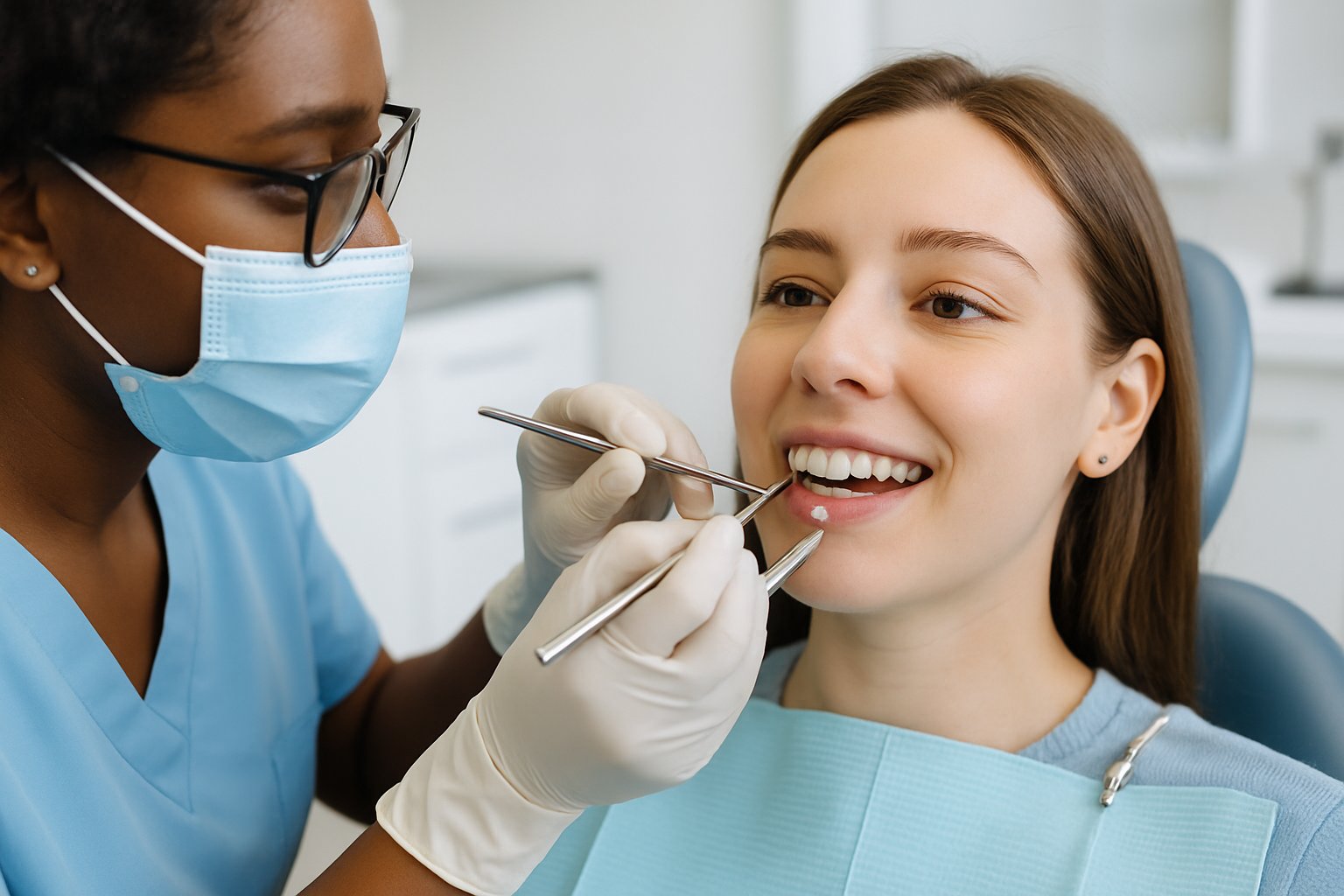
The tooth gem application process involves careful preparation, precise placement techniques, and specialized dental adhesives to ensure a secure bond. Professional application typically yields better results than DIY methods, though both options require attention to detail and proper aftercare.
Preparation for Tooth Gem Application
The preparation phase sets the foundation for successful tooth gem placement. The tooth surface must be thoroughly cleaned to remove plaque, food particles, and natural oils that could interfere with adhesion.
A dental professional or individual performing the application begins by examining the tooth’s condition to ensure it’s healthy enough for gem placement. The selected tooth is then polished with a specialized cleaning paste to create an optimal surface.
Key preparation steps include:
- Thorough tooth cleaning and polishing
- Drying the tooth surface completely
- Isolating the area to prevent saliva contamination
- Selecting the appropriate gem size and position
The tooth surface is etched lightly with a mild acid solution to create microscopic grooves. This etching process increases the surface area available for bonding. After etching, the tooth is rinsed and dried completely to prepare for adhesive application.
Step-by-Step Application Process
The actual placement of tooth gems follows a methodical approach that ensures proper positioning and secure attachment. Professional tooth gem application requires precision and steady hands for optimal results.
The dental adhesive is applied in a thin, even layer to the prepared tooth surface. The gem is then carefully positioned using specialized tweezers or applicator tools. Proper positioning is crucial as adjustments become difficult once the adhesive begins to set.
Application sequence:
- Apply primer to the etched tooth surface
- Place a small amount of dental adhesive
- Position the gem using precision tools
- Apply gentle pressure to ensure contact
- Cure the adhesive using a specialized light
A curing light activates the adhesive, creating a strong chemical bond between the gem and tooth surface. The curing process typically takes 10-20 seconds depending on the adhesive type. Final positioning adjustments must be made before the adhesive fully hardens.
Role of Dental Adhesive
Dental adhesive serves as the crucial bonding agent that secures tooth gems to the enamel surface. The adhesive must be safe for oral use while providing long-lasting attachment strength.
Modern dental adhesives are formulated specifically for intraoral applications. These adhesives resist saliva, temperature changes, and the acidic environment of the mouth. They create both mechanical and chemical bonds with the tooth structure.
Adhesive characteristics:
- Biocompatible materials safe for oral tissues
- Water-resistant properties for durability
- Light-activated curing for precise control
- Fluoride-releasing options for added protection
The adhesive creates microscopic interlocks with the etched tooth surface while chemically bonding to both the enamel and the gem material. This dual bonding mechanism provides superior retention compared to simple surface attachment methods.
Quality adhesives maintain their bond strength for months or years when properly applied. The adhesive layer remains thin to minimize interference with normal oral function while maximizing aesthetic appeal.
Professional vs. DIY Application
Professional application offers significant advantages in terms of safety, precision, and longevity compared to at-home methods. Dental professionals have specialized training and equipment that ensure optimal results and minimize risks.
Professional settings provide sterile environments and proper infection control protocols. Dental professionals can assess tooth health, select appropriate materials, and handle complications that may arise during application.
Professional advantages:
- Sterile application environment
- Proper tooth health assessment
- Access to high-quality materials
- Experience with placement techniques
DIY tooth gem kits are available for at-home application but require careful attention to instructions and safety precautions. These kits typically include simplified adhesives and basic application tools.
DIY applications carry higher risks of improper placement, contamination, or damage to tooth structure. However, they offer convenience and cost savings for those comfortable with self-application techniques. Proper dental care and regular monitoring remain essential regardless of application method.
Oral Health Considerations with Molar Tooth Gems
Placing gems on molars creates unique challenges for maintaining healthy teeth and gums due to their location at the back of the mouth. These decorative additions can interfere with natural cleaning processes and create new areas where harmful bacteria can accumulate.
Enamel Damage Risks
The application and removal process of molar gems poses significant threats to tooth enamel. Dental professionals must etch the enamel surface with acid to create proper adhesion for the gem, which permanently removes a thin layer of the tooth’s protective coating.
This etching process weakens the natural barrier that protects teeth from decay. When tooth gems are removed, the area around such gems may be at increased risk of cavities because this protection cannot be restored.
Molar teeth face additional stress during chewing and grinding motions. The combination of weakened enamel and increased mechanical forces can lead to:
- Chipping around the gem attachment site
- Cracking from uneven pressure distribution
- Sensitivity due to exposed underlying tooth structure
Patients often experience these complications months after gem placement when the adhesive bond begins to fail under normal chewing forces.
Plaque Buildup and Gum Disease
Molar gems create irregular surfaces that trap food particles and bacteria more easily than smooth tooth surfaces. The small spaces around the gem edges become prime locations for plaque accumulation.
These hard-to-reach areas allow bacteria to multiply undisturbed, leading to inflammation of the surrounding gum tissue. Constant rubbing against oral jewelry can cause the gums to pull away from the teeth, creating pockets where infection can develop.
The back molars already present cleaning challenges due to their location. Adding gems compounds this problem by creating additional surface irregularities that standard brushing cannot adequately address.
Common complications include:
- Persistent bad breath from bacterial buildup
- Gum recession around the gem site
- Increased risk of periodontal disease
- Tooth mobility from compromised gum attachment
Impact on Oral Hygiene Habits
Daily cleaning routines become significantly more complex with molar gems in place. Patients must modify their brushing technique to navigate around the raised gem surface without dislodging the decoration.
Standard flossing becomes nearly impossible in areas adjacent to the gem. The irregular surface prevents dental floss from making proper contact with the tooth surface, leaving bacterial deposits undisturbed.
Many patients develop incomplete cleaning patterns, unconsciously avoiding the gem area during routine oral care. This behavioral change leads to progressive deterioration of oral health in the affected region.
Professional dental cleanings also become more challenging and time-consuming. Hygienists must carefully work around the gem without damaging either the decoration or surrounding tooth structure, potentially leaving some areas inadequately cleaned.
Dental Care Tips for Tooth Gems
Proper dental care becomes even more important when someone has tooth gems, as the decorative additions require special attention during cleaning routines and create new considerations for preventing oral health issues. Regular maintenance and professional monitoring help ensure both the gem and the underlying tooth remain healthy.
Daily Cleaning and Maintenance
Daily oral hygiene requires extra attention around tooth gems to prevent plaque buildup and bacterial accumulation. The area where the gem meets the tooth creates small spaces where food particles and bacteria can easily collect.
Gentle brushing with a soft-bristled toothbrush works best for cleaning around tooth gems. Patients should use small circular motions and avoid aggressive scrubbing that might loosen the adhesive bond.
Essential cleaning steps include:
- Brushing twice daily with fluoride toothpaste
- Using gentle pressure around the gem area
- Rinsing with antibacterial mouthwash
- Flossing carefully to avoid catching the gem
Water flossers provide an excellent alternative for cleaning around tooth gems. The gentle water pressure removes debris without risking damage to the adhesive or gem placement.
Professional application ensures safety and makes daily maintenance more manageable. Patients should avoid whitening toothpastes that might affect the gem’s appearance or bonding material.
Preventing Tooth Decay and Cavities
Tooth decay becomes a heightened concern with tooth gems because bacteria can accumulate around the edges where the gem bonds to the tooth surface. The adhesive and gem create additional surfaces where plaque can form if not properly cleaned.
Regular fluoride treatments help strengthen the tooth enamel around the gem area. Patients should use fluoride mouthwash daily and consider prescription fluoride toothpaste if recommended by their dentist.
Key prevention strategies:
- Limiting sugary and acidic foods
- Drinking water after meals
- Avoiding sticky candies that might pull at the gem
- Using sugar-free gum to stimulate saliva production
Early signs of problems include sensitivity, discoloration around the gem, or changes in how the gem feels. Any discomfort or loosening requires immediate dental attention to prevent cavities from developing.
The bond between the gem and tooth creates microscopic spaces where bacteria thrive. Consistent oral hygiene prevents these areas from becoming breeding grounds for harmful bacteria that cause tooth decay.
Dental Check-Ups and Monitoring
Professional dental check-ups become more frequent and detailed when patients have tooth gems. Dentists need to monitor both the gem’s condition and the underlying tooth health during each visit.
Regular dental monitoring helps identify potential issues before they become serious problems. Most dental professionals recommend check-ups every three to four months for patients with tooth gems.
During appointments, dentists examine:
- Gem stability – Checking for loosening or damage
- Surrounding enamel – Looking for signs of decay or weakness
- Gum health – Monitoring for irritation or inflammation
- Overall oral hygiene – Assessing cleaning effectiveness
Professional cleanings require special techniques around tooth gems. Dental hygienists use modified tools and gentler pressure to avoid disturbing the gem while thoroughly cleaning the area.
Patients should schedule immediate appointments if they notice any changes in their tooth gem’s appearance, feel, or comfort level. Early intervention prevents minor issues from becoming major dental problems that could affect both oral health and the gem’s longevity.
Special Situations and Considerations
Certain circumstances require extra attention when considering molar tooth gems. Orthodontic appliances, proper removal procedures, and knowing when professional help is needed all play crucial roles in maintaining oral health.
Tooth Gems with Braces or Orthodontic Devices
Patients with braces face unique challenges when considering tooth gem application. The metal brackets and wires create additional surfaces where food particles and bacteria can accumulate.
Adding gems to molars while wearing orthodontic devices significantly increases cleaning difficulty. The combination makes it nearly impossible to reach all areas during brushing and flossing.
Orthodontists typically advise against tooth gems during active treatment for several reasons:
- Interference with bracket placement and wire adjustments
- Increased risk of enamel damage during orthodontic movement
- Complications during routine orthodontic appointments
- Higher likelihood of gem displacement from tooth movement
Patients should wait until their orthodontic treatment is complete before considering molar gems. This timing allows for proper healing and ensures the teeth have settled into their final positions.
Those with retainers or clear aligners should also exercise caution. The gems may prevent proper fit of these devices, potentially compromising treatment results.
Safe Removal and Aftercare
Professional removal by a dental expert ensures the safest outcome for patients. Licensed dental professionals minimize risks during the removal process and can address any complications immediately.
The removal process involves carefully breaking the bond between the gem and tooth surface. Dentists use specialized tools to avoid damaging the underlying enamel.
Post-removal care includes:
- Gentle brushing with fluoride toothpaste
- Avoiding hard or sticky foods for 24 hours
- Using antimicrobial mouthwash as recommended
- Monitoring the area for sensitivity or discomfort
Some patients experience temporary sensitivity after removal. This typically resolves within a few days as the tooth adjusts to the absence of the bonding material.
The dentist may recommend a fluoride treatment to strengthen the area where the gem was attached. This helps restore the tooth’s natural protection against decay.
When to Consult a Dentist
Immediate professional attention is necessary when patients notice specific warning signs. Early intervention prevents minor issues from developing into serious complications.
Contact a dentist immediately if:
- The gem becomes loose or partially detached
- Pain or sensitivity develops around the gem area
- Gum irritation or swelling occurs near the application site
- Food consistently gets trapped around the gem
- The gem changes color or appears damaged
Regular dental checkups become even more important with molar gems. The dentist can monitor the gem’s condition and the surrounding tooth structure during routine visits.
Patients should schedule professional cleanings every six months or as recommended. The dental hygienist can properly clean around the gem and check for any developing issues.
Those considering gem removal should consult their dentist rather than attempting DIY methods. DIY approaches can be dangerous for oral health and may result in permanent tooth damage.
Discussing concerns openly with the dental team helps ensure the best possible outcome for oral health.
Frequently Asked Questions
Patients considering tooth gems often have similar concerns about safety, longevity, and maintenance. Understanding the application process, potential risks, and proper care helps individuals make informed decisions about this cosmetic dental trend.
How long can you expect your tooth gem to stay in place?
Well-maintained tooth gems typically last six months to two years, depending on the type of gem and individual care habits. Swarovski crystals and shaped gems generally maintain their bond for the full duration range.
Real gold and diamond gems may last six to twelve months due to their additional weight. The extra mass can cause these premium options to detach sooner than lighter alternatives.
Individual factors like eating habits, dental hygiene practices, and tooth grinding can significantly impact longevity. Patients who maintain excellent oral care and avoid hard foods typically see longer-lasting results.
What are the potential risks of getting a gem bonded to your tooth?
Tooth gems can cause enamel damage and increase the risk of tooth decay and gum disease. The adhesive and gem create areas where bacteria can accumulate more easily.
Additional risks include tooth discoloration around the application site and potential chipping or cracking. These complications can require restorative dental work to address properly.
Chronic bad breath, allergic reactions to adhesives, and injury to lips and gums represent other possible complications. In rare cases, patients may swallow or choke on a loose gem that detaches unexpectedly.
What is the proper care routine for maintaining a tooth gem?
Patients should maintain their regular dental hygiene routine while being extra gentle around the gem area. Normal brushing and flossing remain essential for preventing decay and gum disease.
Avoiding hard, sticky, or crunchy foods helps prevent premature detachment. Ice, hard candies, and chewy substances can put excessive pressure on the bonding material.
Regular dental checkups become even more important with tooth gems present. The dentist can monitor the gem’s condition and check for any developing oral health issues around the application site.
Can tooth gems be considered a permanent addition to your smile?
Tooth gems are temporary cosmetic enhancements that will eventually detach naturally or require removal. The bonding materials are designed to be reversible without permanent damage to healthy tooth enamel.
Professional application and proper care help ensure the gem doesn’t cause lasting harm to teeth. However, improper application or poor maintenance can lead to permanent complications.
Patients seeking long-term smile enhancement should consider other cosmetic dental options. Veneers, bonding, or professional whitening provide more permanent aesthetic improvements.
What is the procedure for applying a gem to a tooth?
Tooth gems are attached using the same adhesive techniques dentists use for orthodontic brackets. The process begins with thorough cleaning and preparation of the tooth surface.
The dental professional applies a special bonding agent to create a strong attachment point. The gem is then carefully positioned and secured using dental-grade adhesive materials.
The placement location significantly affects both appearance and longevity of the gem. Most gems are placed on front upper teeth, though lower teeth and back molars offer more discreet options.
Where can you safely have a tooth gem professionally applied?
Professional dental offices provide the safest environment for tooth gem application. Dentists have the proper sterilization equipment and dental-grade materials necessary for safe procedures.
Some licensed cosmetic professionals and body modification studios also offer tooth gem services. However, patients should verify that the provider uses sterile techniques and appropriate dental adhesives.
DIY application approaches pose significant risks to oral health. Home application kits lack the professional-grade materials and sterile environment necessary for safe gem placement.