
Milk Teeth and Its Myths: Separating Fact From Fiction for Parents
Many parents believe that caring for their child’s milk teeth isn’t crucial since these temporary teeth will eventually fall out anyway. This common misconception can lead to serious dental problems that affect a child’s immediate comfort and long-term oral health. Milk teeth play essential roles in speech development, proper nutrition, and guiding permanent teeth into correct positions, making their care just as important as adult tooth maintenance.

Milk teeth are particularly susceptible to decay since their outer layer contains less mineral content than permanent teeth. When parents dismiss cavities in primary teeth as unimportant, they risk exposing their children to pain, infections, and eating difficulties that could have been easily prevented.
Understanding the truth behind common milk teeth myths empowers parents to make better decisions about their child’s dental care. From the belief that baby teeth don’t need professional cleaning to assumptions about when dental visits should begin, separating fact from fiction ensures children develop healthy habits that last a lifetime.
Key Takeaways
- Milk teeth require the same level of care as permanent teeth despite being temporary
- Untreated cavities in primary teeth can cause pain, infection, and alignment problems for future teeth
- Regular dental checkups and proper hygiene practices starting in early childhood prevent most milk tooth problems
Understanding Milk Teeth and Their Role
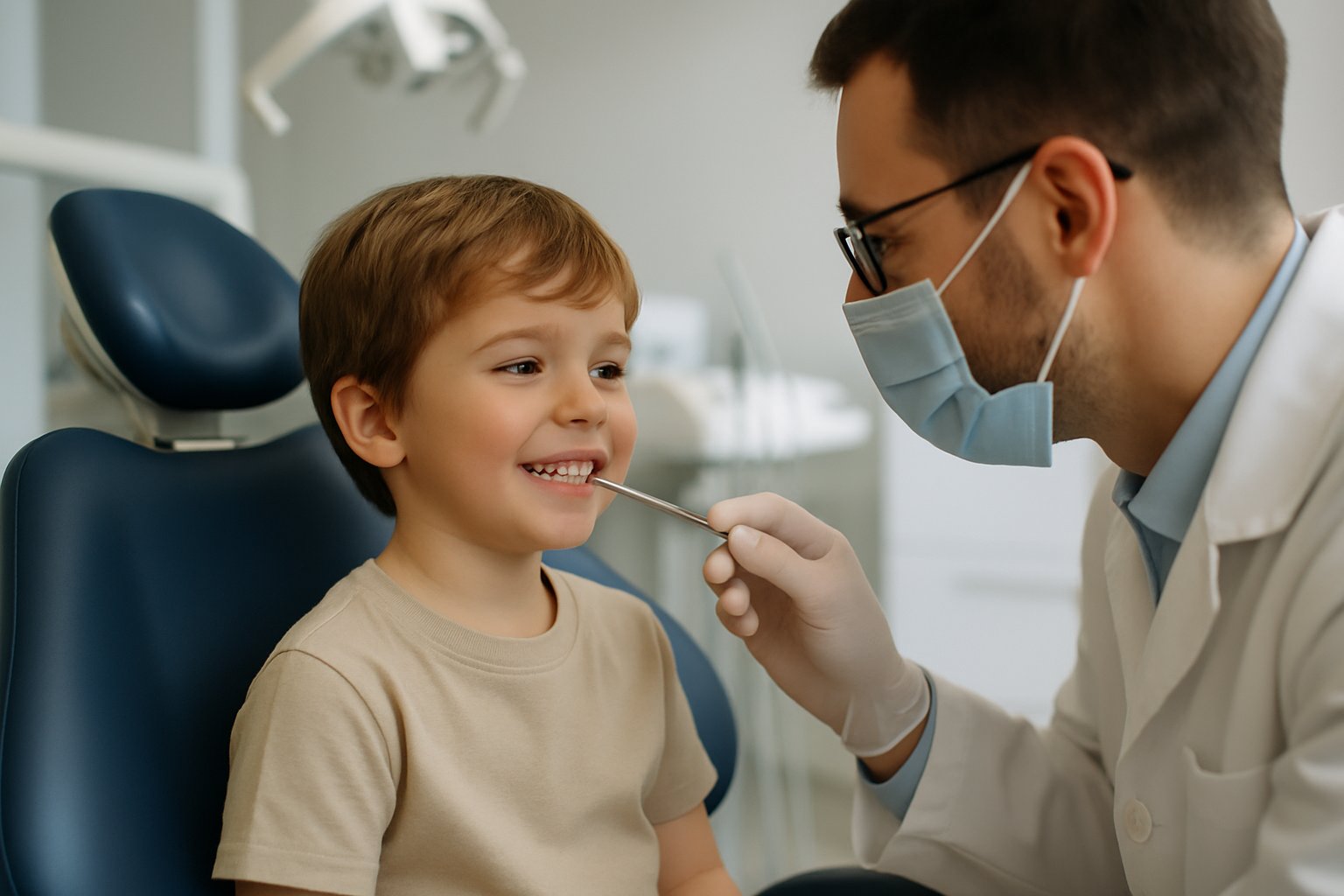
Milk teeth serve as crucial building blocks for a child’s oral development, functioning as natural space holders and guides for permanent teeth while enabling proper speech and nutrition during critical growth years. These temporary teeth follow a predictable timeline and perform multiple essential functions that directly impact long-term dental health.
What Are Milk Teeth?
Primary teeth, commonly called milk teeth or baby teeth, represent a child’s first complete set of teeth. These temporary teeth differ significantly from permanent teeth in both size and structure.
A full set contains 20 primary teeth compared to 32 permanent teeth in adults. The smaller jaw size of children accommodates these proportionally smaller teeth perfectly.
Key characteristics of milk teeth include:
- Thinner enamel layer than permanent teeth
- Smaller root structure
- Whiter appearance due to thinner enamel
- More prominent pulp chambers
The teeth consist of incisors for cutting, canines for tearing, and molars for grinding food. Each tooth type serves specific functions that support proper nutrition and digestion during childhood.
Functions of Primary Teeth
Primary teeth help children chew food, speak clearly, and guide the eruption of adult teeth. These functions extend far beyond simple food processing and impact overall development.
Speech development relies heavily on milk teeth positioning. Children learn to pronounce consonants and vowels by positioning their tongue against specific teeth. Missing or damaged primary teeth can create speech difficulties that persist into adulthood.
Nutritional support comes through proper chewing function. Well-maintained milk teeth allow children to eat a varied diet including fruits, vegetables, and proteins necessary for growth.
Jaw development occurs as children use their teeth for chewing. This activity stimulates proper jaw growth and muscle development. The chewing action promotes healthy bone density in developing facial structures.
Space maintenance represents perhaps the most critical function. Each primary tooth holds space for its permanent replacement. Premature loss can cause neighboring teeth to drift, creating crowding issues later.
Development and Timeline
Most children get their first tooth around six months old, and by age three, they usually have a full set of 20 primary teeth. The eruption process follows a generally predictable pattern with some individual variation.
Eruption Timeline:
| Age Range | Teeth Appearing |
|---|---|
| 6-10 months | Lower central incisors |
| 8-12 months | Upper central incisors |
| 9-13 months | Upper lateral incisors |
| 10-16 months | Lower lateral incisors |
| 13-19 months | Upper first molars |
| 14-18 months | Lower first molars |
| 16-22 months | Upper canines |
| 17-23 months | Lower canines |
| 23-31 months | Lower second molars |
| 25-33 months | Upper second molars |
Children typically start losing primary teeth around age six, with the process continuing until about age twelve. The shedding process generally mirrors the eruption pattern.
Individual variation is completely normal. Some children may begin teething earlier or later without cause for concern. Factors like genetics, nutrition, and overall health can influence timing.
The transition from baby teeth to permanent teeth represents a critical period requiring careful monitoring and appropriate dental care.
Why Milk Teeth Matter for Lifelong Health

Milk teeth serve as the foundation for a child’s dental development, directly impacting permanent tooth alignment, speech clarity, proper nutrition, and social confidence. These temporary teeth play essential roles that extend far beyond their brief presence in a child’s mouth.
Guiding the Emergence of Permanent Teeth
Milk teeth act as natural placeholders that guide adult teeth into correct position, ensuring proper bite alignment. When a child loses a primary tooth prematurely due to decay or injury, the surrounding teeth often shift into the empty space.
This shifting creates a domino effect that can block permanent teeth from emerging in their intended positions. The result frequently requires expensive orthodontic treatment later in childhood or adolescence.
Proper spacing maintenance includes:
- Each milk tooth holding space for its permanent replacement
- Preventing adjacent teeth from drifting into vacant areas
- Maintaining proper jaw width for adult tooth accommodation
- Establishing correct bite relationships between upper and lower teeth
Children who maintain healthy milk teeth until their natural shedding time typically experience smoother permanent tooth eruption. The importance of milk teeth extends to preventing costly interventions that could have been avoided with proper early care.
Supporting Speech Development
Clear speech development depends heavily on the presence and positioning of milk teeth during critical learning years. Children use their teeth, tongue, and lips together to form specific sounds and pronunciation patterns.
Missing or damaged front teeth particularly affect the formation of sounds like “th,” “s,” “f,” and “v.” These speech impediments can persist even after permanent teeth emerge if the child develops compensatory speaking habits.
Speech-related functions of milk teeth:
- Tongue placement: Teeth provide reference points for proper tongue positioning
- Airflow control: Front teeth help direct air for clear consonant sounds
- Sound formation: Teeth work with lips and tongue to create distinct phonemes
- Confidence building: Clear speech supports social interaction and learning
Early tooth loss can lead to lisping, whistling sounds, or difficulty with certain letter combinations. Speech therapy may become necessary when significant tooth loss occurs during the prime language development period between ages 2-6.
Contribution to Nutrition and Growth
Healthy milk teeth enable children to chew a wide variety of foods properly, supporting balanced nutrition during crucial growth periods. Different teeth serve specific functions in the chewing process.
Front teeth bite and tear foods, while back molars grind and break down tougher textures. When decay or early loss affects these teeth, children often avoid certain food groups that become difficult or painful to eat.
Nutritional impacts include:
- Protein sources: Difficulty chewing meat, nuts, or beans
- Fresh produce: Avoiding crunchy fruits and vegetables
- Whole grains: Problems with chewy breads and cereals
- Calcium-rich foods: Reduced intake of dairy products
Untreated dental problems can lead to malnutrition, affecting a child’s overall growth and development. Children with painful teeth may refuse nutritious foods in favor of soft, processed options that require minimal chewing.
This dietary limitation during rapid growth phases can impact height, weight, and cognitive development. Parents often notice children becoming pickier eaters when dental pain makes chewing uncomfortable.
Influence on Confidence and Self-Esteem
A child’s smile significantly affects their social interactions and self-perception during formative years. Dental problems in milk teeth can create lasting psychological impacts that extend beyond the physical discomfort.
Children with visible tooth decay, missing teeth, or dental pain may become self-conscious about smiling, speaking, or participating in social activities. These early experiences can shape their relationship with oral health throughout life.
Social and emotional effects:
- Smile confidence: Reluctance to smile or laugh openly
- Social participation: Withdrawal from group activities or speaking opportunities
- Academic performance: Difficulty concentrating due to dental pain
- Peer relationships: Potential teasing or social isolation
Dental pain can also disrupt sleep patterns, affecting a child’s mood, behavior, and ability to focus in school. Children with untreated dental issues often experience difficulty eating and sleeping, creating a cycle of health problems.
Building positive dental experiences during the milk tooth years establishes healthy oral care habits and attitudes. Children who receive proper dental care from an early age typically maintain better oral health throughout their lives.
Common Myths and Misconceptions About Milk Teeth
Many parents believe that baby teeth don’t require the same level of attention as permanent teeth, leading to widespread misconceptions about cavities, professional dental care, and daily cleaning routines. These myths can significantly impact a child’s long-term oral health and development.
Myth: Cavities in Milk Teeth Don’t Matter
The belief that cavities in baby teeth are harmless represents one of the most damaging misconceptions in pediatric dental care. Parents often assume that since these teeth will eventually fall out, decay doesn’t pose serious consequences.
Cavities in milk teeth can cause significant problems. Untreated decay leads to pain, infection, and difficulty eating or speaking. These issues directly affect a child’s nutrition, sleep quality, and overall development.
Baby teeth serve as placeholders for permanent teeth. When cavities cause premature tooth loss, surrounding teeth can shift into the empty space. This movement creates crowding problems when adult teeth emerge.
Infections from decayed milk teeth can spread. Severe decay can develop into abscesses that affect the developing permanent teeth underneath. The infection may damage the adult tooth before it even erupts.
Milk tooth cavities require immediate attention to prevent these complications. Early treatment preserves the tooth’s function and protects future oral health.
Myth: Milk Teeth Don’t Need Professional Care
Many parents delay dental visits until permanent teeth appear, believing that professional care isn’t necessary for baby teeth. This misconception stems from the temporary nature of primary teeth.
Regular dental checkups should begin by age one. Early visits allow dentists to monitor tooth development, identify potential problems, and establish positive associations with dental care.
Professional cleanings remove plaque and tartar that home brushing cannot eliminate. Even young children develop buildup that contributes to tooth decay and gum irritation.
Dentists can apply preventive treatments like fluoride varnish to strengthen tooth enamel. These treatments significantly reduce cavity risk in primary teeth.
Early detection saves time and discomfort. Small cavities can be treated quickly and painlessly, while advanced decay requires more extensive procedures.
Professional pediatric dental care ensures that milk teeth remain healthy throughout their natural lifespan. Regular visits also help children develop comfort with dental procedures.
Myth: Cleaning Isn’t Important for Baby Teeth
The assumption that baby teeth don’t require thorough cleaning creates lasting oral hygiene problems. Parents may believe that since these teeth are temporary, daily care isn’t crucial.
Proper oral hygiene must begin before the first tooth appears. Wiping gums with a clean, damp cloth removes bacteria and establishes healthy routines.
Plaque accumulation on baby teeth leads to the same problems as adult teeth. Bacteria produce acids that erode tooth enamel, creating cavities regardless of the tooth’s age.
Poor oral hygiene habits established early continue into adulthood. Children who don’t learn proper brushing and flossing techniques struggle with oral health throughout their lives.
Baby teeth have thinner enamel than permanent teeth, making them more susceptible to decay. This vulnerability means they actually require more attention, not less.
Gum disease can develop in young children with poor oral hygiene. Inflamed gums affect eating comfort and can impact the health of developing permanent teeth below the surface.
Dental Problems Affecting Milk Teeth
Milk teeth face the same dental challenges as permanent teeth, including cavity formation, enamel deterioration, and physical damage from accidents or habits. These issues require immediate attention despite the temporary nature of primary teeth.
Cavities and Tooth Decay
Cavities represent the most common dental problem affecting children’s milk teeth. Dental caries affects nearly 20% of children aged 5 to 11 years, making it one of the most prevalent childhood diseases.
Common causes of cavity formation include:
- Frequent exposure to sugary drinks and snacks
- Poor brushing habits or inadequate oral hygiene
- Bacteria buildup from plaque accumulation
- Bedtime bottles containing milk or juice
The decay process begins when harmful bacteria in the mouth produce acids that attack tooth enamel. These acids create small holes that gradually expand into larger cavities if left untreated.
Signs parents should watch for:
- White or brown spots on teeth surfaces
- Complaints of tooth sensitivity or pain
- Visible holes or pits in teeth
- Bad breath that persists after brushing
Early intervention prevents the spread of decay to adjacent teeth. Treatment options range from fluoride applications for minor demineralization to dental fillings for established cavities.
Enamel Health in Children
Children’s tooth enamel develops differently than adult enamel, making milk teeth more susceptible to damage. The enamel on primary teeth is thinner and less mineralized, creating increased vulnerability to acid attacks.
Factors affecting enamel strength:
- Nutritional deficiencies during tooth development
- Genetic conditions that impact enamel formation
- Medical treatments like certain antibiotics
- Excessive fluoride exposure leading to fluorosis
Enamel erosion occurs when acids from foods, drinks, or bacterial activity wear away the protective outer layer. Citrus fruits, carbonated beverages, and frequent snacking create acidic conditions that weaken enamel over time.
Parents can protect their children’s enamel through proper oral health practices. Regular brushing with fluoride toothpaste strengthens developing enamel and creates a protective barrier against acid attacks.
Protective measures include:
- Using age-appropriate fluoride toothpaste
- Limiting acidic foods and beverages
- Encouraging water consumption after meals
- Scheduling regular dental checkups for professional fluoride treatments
Cracked or Damaged Milk Teeth
Physical trauma frequently affects milk teeth due to children’s active lifestyles and developing coordination skills. Falls, sports injuries, and accidents can result in chips, cracks, or complete tooth loss.
Types of milk tooth damage:
- Minor chips affecting only the enamel surface
- Deep cracks extending into the tooth’s inner layers
- Root fractures that may not be immediately visible
- Complete avulsion where the entire tooth is knocked out
Even seemingly minor damage requires professional evaluation. Damaged or missing milk teeth can create dental crowding and misalignment of permanent teeth, affecting future oral development.
Treatment approaches vary by severity:
| Damage Type | Treatment Option | Urgency Level |
|---|---|---|
| Minor chips | Smoothing or bonding | Low |
| Deep cracks | Crown or filling | Moderate |
| Root damage | Possible extraction | High |
| Knocked out | Space maintenance | Immediate |
Quick action following dental trauma improves treatment outcomes. Parents should contact their dentist immediately after any significant impact to their child’s mouth, even if damage isn’t immediately apparent.
Effective Care and Hygiene Practices
Proper oral hygiene habits, dietary choices, and professional dental supervision form the foundation of maintaining healthy milk teeth. These three pillars work together to prevent cavities and ensure children develop strong oral health practices that last a lifetime.
Establishing Good Oral Hygiene Habits
Parents should begin cleaning their child’s mouth even before the first tooth appears. A soft, damp cloth can gently wipe the gums after feeding to remove bacteria and establish routine.
Once teeth emerge, brushing becomes essential twice daily. Children under three need only a rice grain-sized amount of fluoride toothpaste, while those aged three to six require a pea-sized portion.
Key brushing techniques include:
- Using circular motions on all tooth surfaces
- Brushing for two full minutes
- Replacing toothbrushes every three months
- Supervising children until age eight
Parents must actively participate in their child’s oral hygiene routine. Most children lack the motor skills for effective brushing until around age six or seven.
Flossing should begin when two teeth touch together. Special floss picks designed for children make this process easier and more enjoyable for both parent and child.
Limiting Sugary Foods and Drinks
Sugar feeds harmful bacteria in the mouth, creating acid that damages tooth enamel. Children who consume frequent sugary snacks face higher cavity risks than those who eat sweets occasionally.
High-risk foods and beverages include:
- Fruit juices and sports drinks
- Sticky candies and gummies
- Crackers and chips
- Dried fruits
Timing matters significantly for dental health. Consuming sugary items during meals proves less harmful than frequent snacking throughout the day.
Water remains the best beverage choice between meals. Parents should avoid putting children to bed with bottles containing anything other than water, as prolonged exposure to sugars causes severe decay.
Fresh fruits provide natural sweetness while delivering essential nutrients. Cheese, vegetables, and nuts make excellent snack alternatives that actually help neutralize mouth acids.
Regular Dental Checkups
Professional dental visits should begin by age one or within six months of the first tooth’s appearance. Early checkups help children become comfortable with dental environments and allow dentists to monitor development.
Pediatric dental professionals can identify potential problems before they become serious issues. They also provide fluoride treatments and dental sealants that offer additional protection against cavities.
Regular cleanings remove plaque and tartar buildup that home brushing cannot eliminate. Professional cleanings also help maintain healthy gums and fresh breath.
Recommended visit frequency:
- Every six months for most children
- Every three to four months for high-risk patients
- Immediately if pain or problems arise
Dentists educate both parents and children about proper oral care techniques. They can recommend specific products and address individual concerns about each child’s unique dental development needs.
Frequently Asked Questions
Parents often have specific concerns about their child’s primary teeth, from development timelines to proper care routines. Understanding these key aspects helps families make informed decisions about their child’s dental health.
How do primary teeth play a role in a child’s oral development?
Primary teeth serve as natural placeholders that guide permanent teeth into proper positions. They maintain the correct spacing and alignment needed for adult teeth to emerge correctly.
These baby teeth also support proper jaw development and facial structure formation. Without them, a child’s facial muscles and bone structure may not develop as intended.
Primary teeth enable children to chew food effectively, which supports proper digestion and nutrition. They also play a crucial role in speech development, helping children form sounds and words clearly.
What is the typical age for a child to lose their first tooth, and how can you make this process less intimidating?
Most children lose their first tooth between ages 5 and 7, typically starting with the lower front teeth. The same teeth that emerged first usually fall out first.
Parents can make tooth loss less scary by celebrating it as a natural milestone. Reading books about losing teeth or creating fun traditions helps children feel excited rather than worried.
Explaining that loose teeth are normal and won’t hurt when they fall out naturally reassures anxious children. Encouraging gentle wiggling with clean hands can help the process along safely.
Why is it essential to care for baby teeth if they’re going to fall out anyway?
Milk teeth are not immune to decay and require the same careful attention as permanent teeth. Cavities in primary teeth can cause pain, infection, and eating difficulties.
Infected baby teeth can damage the developing permanent teeth underneath. The infection may spread to surrounding tissues and affect the child’s overall health.
Primary teeth help children speak clearly and chew properly during crucial developmental years. Losing them prematurely due to decay can impact nutrition, speech development, and self-confidence.
Can you debunk the myth that crooked baby teeth always lead to misaligned permanent teeth?
Crooked primary teeth do not automatically guarantee crooked permanent teeth. Adult teeth are typically larger than baby teeth and may have more room to align properly.
The spacing and positioning of permanent teeth depend on multiple factors including jaw growth, genetics, and oral habits. Some children with perfectly straight baby teeth may still need orthodontic treatment later.
However, severely crowded or misaligned primary teeth can sometimes indicate potential spacing issues with permanent teeth. Regular dental checkups help monitor development and identify any concerns early.
What are the signs that indicate it’s time to take your child to the dentist for their milk teeth?
Children should have their first dental visit by age one or within six months of their first tooth appearing. Early visits help establish good oral health habits and catch problems before they worsen.
Visible cavities, white or brown spots on teeth, or complaints of tooth pain require immediate dental attention. Swollen or bleeding gums also indicate the need for professional evaluation.
Difficulty eating, persistent bad breath, or teeth that appear loose when they shouldn’t be are warning signs. Any trauma to the mouth or teeth warrants a prompt dental examination.
How do early childhood nutrition and habits impact the health of milk teeth?
Frequent exposure to sugary drinks and snacks feeds harmful bacteria that produce acid and cause cavities. Limiting juice, soda, and sticky treats helps protect developing teeth.
Prolonged bottle use, especially at bedtime, bathes teeth in sugary liquids for extended periods. This habit significantly increases the risk of early childhood cavities, particularly in front teeth.
Thumb sucking and pacifier use beyond age 3 can affect tooth alignment and jaw development. Breaking these habits early helps prevent potential orthodontic problems with both primary and permanent teeth.